
THE BLUE HALO
Lily Hunter Green
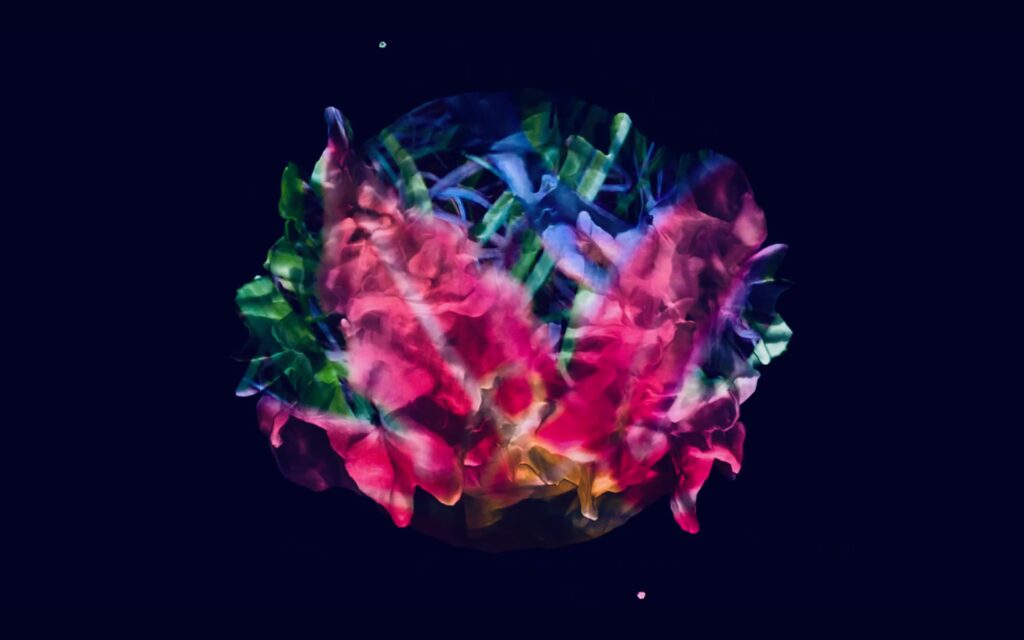
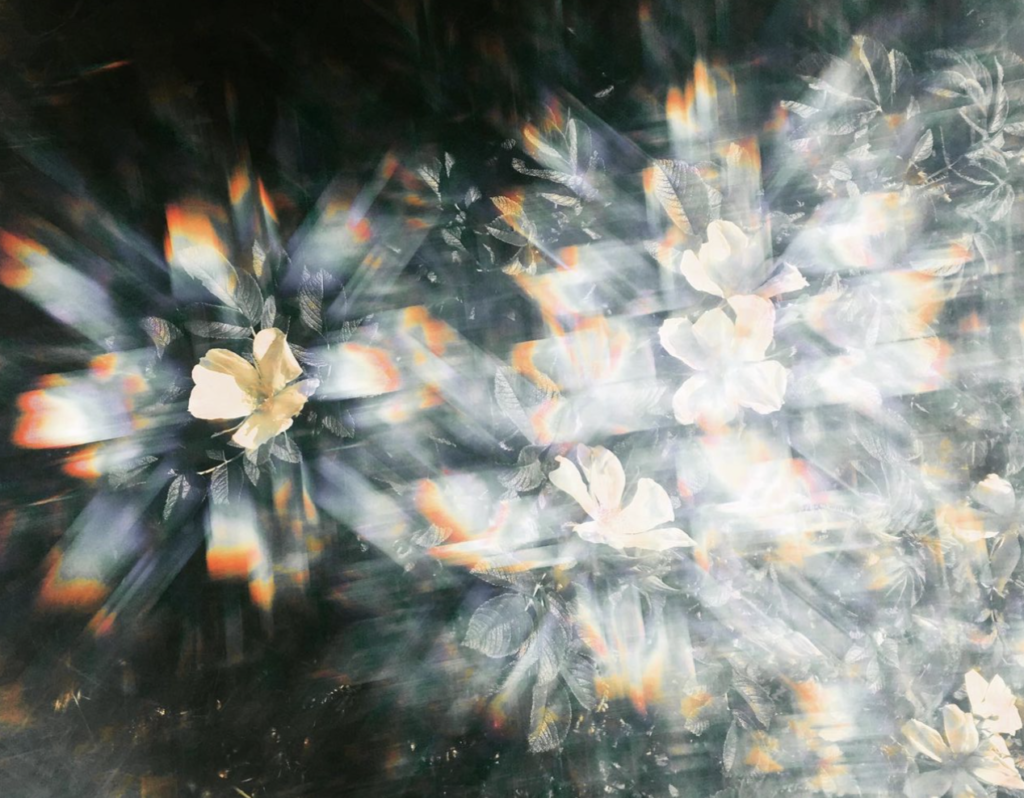
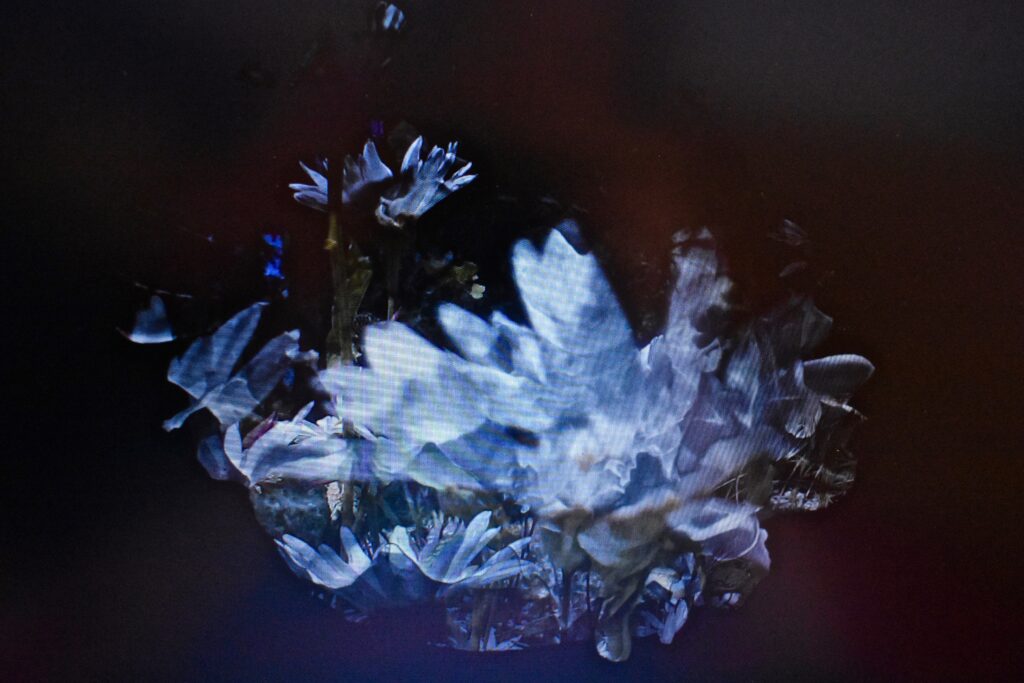
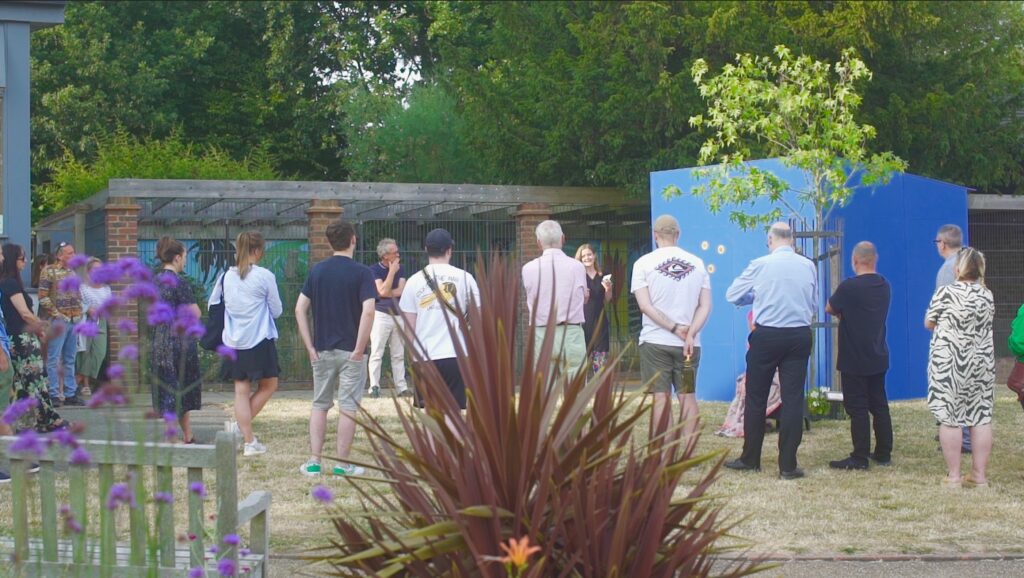
THE BLUE HALO is an immersive digital installation that is both a celebration of the special relationship between the flower and the bee, and a living, pulsating, creative urgent call-to-action to re-wild and re-build local habitats.
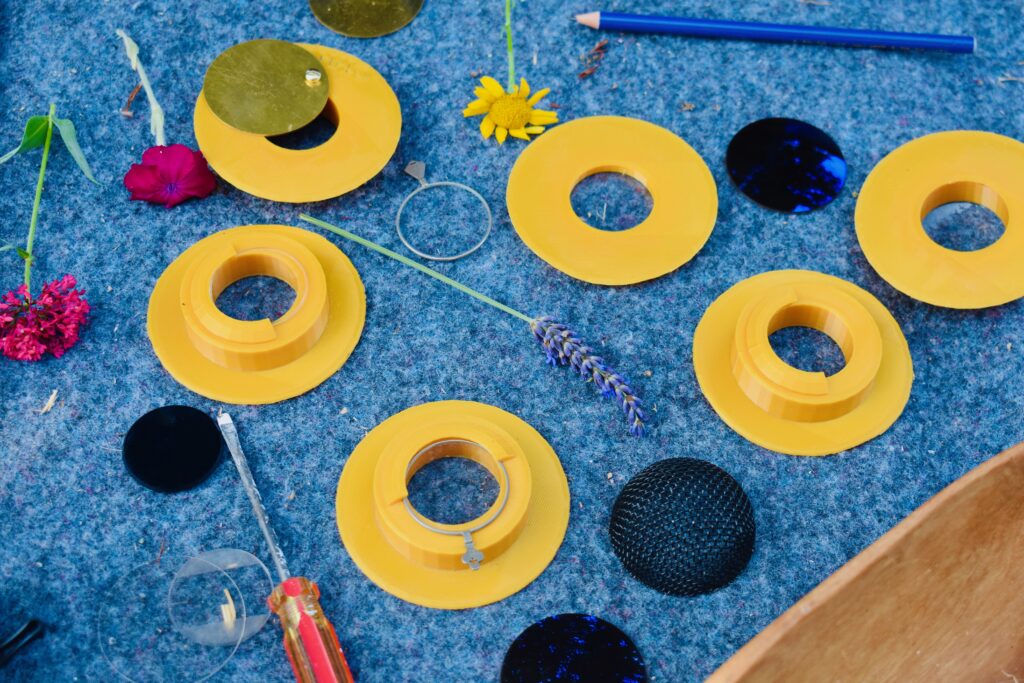
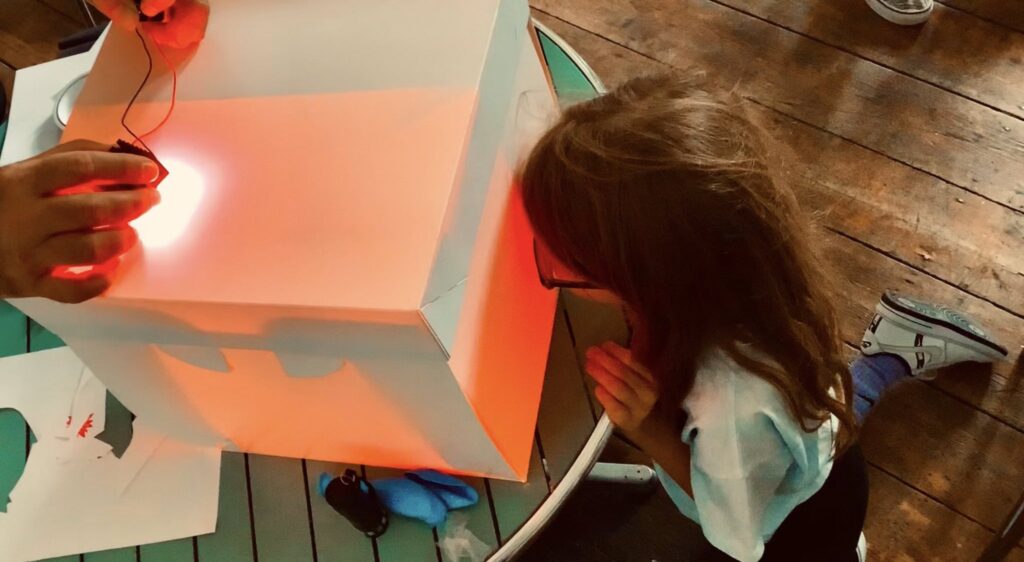
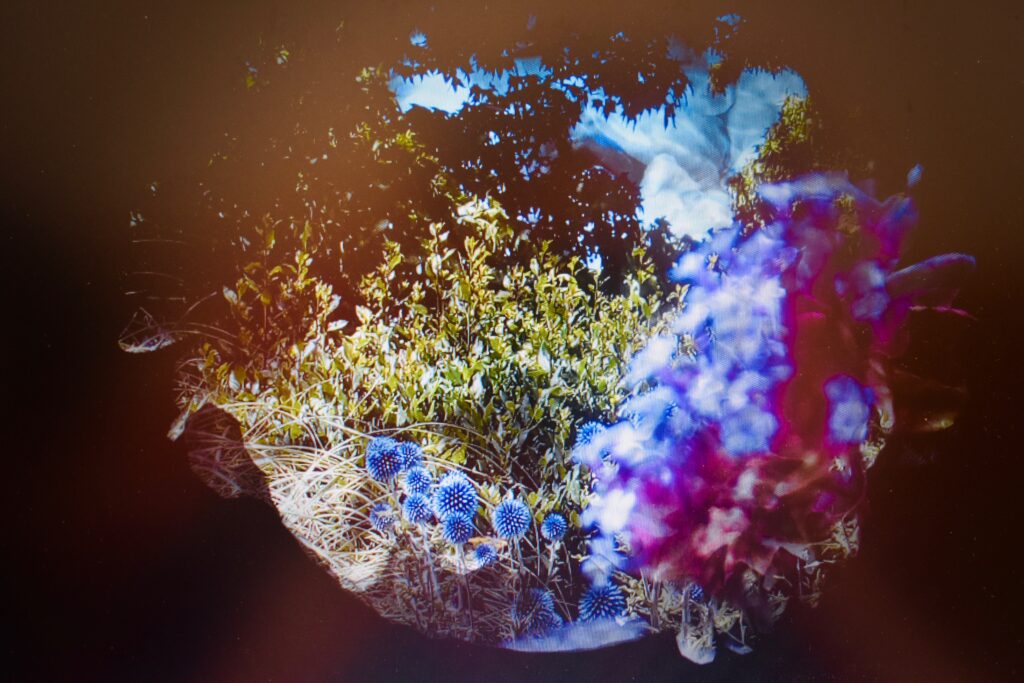
Plants are great illusionists and seducers. Some may even call them magicians. Using a trick of light, they radiate a spectacular blue halo around their flowers that, invisible to the human eye, is irresistible to bees and other pollinators. This sense of wonder and magic permeates Lily Hunter Green’s work which part Wonder Box, part Raree Show entices participants into its own mesmerising world via a series of magnified peep holes mimicking the bee’s eye view.
What’s in the Box?
You are witnessing the rhythmic exchange between species and the otherworldly brilliant colours invites you into the world of the bee. You are immersed in a soundscape composed of the visceral sounds of growth and life, harmonising and tuning into the resonant sounds and vibrations produced by bees as they acoustically sonicate a flower.
How does the Flower grow?
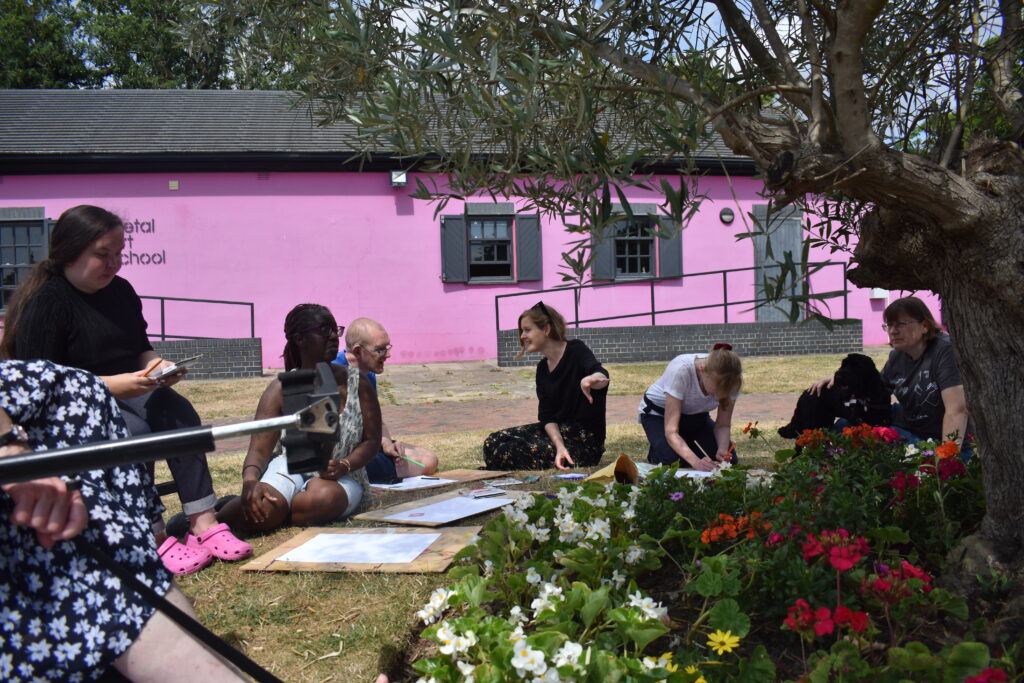
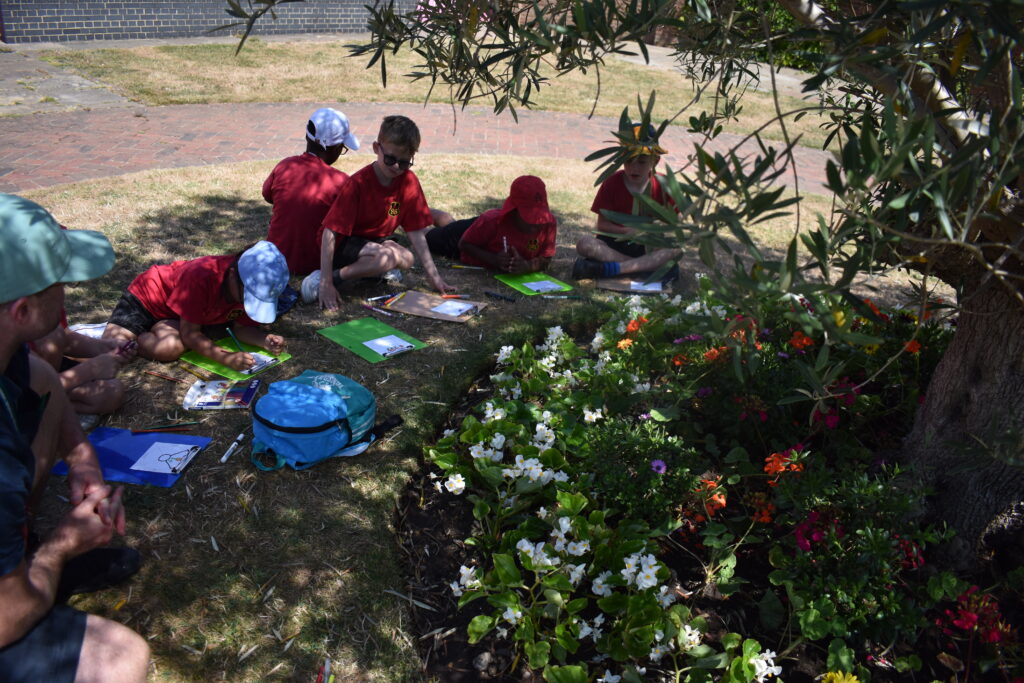
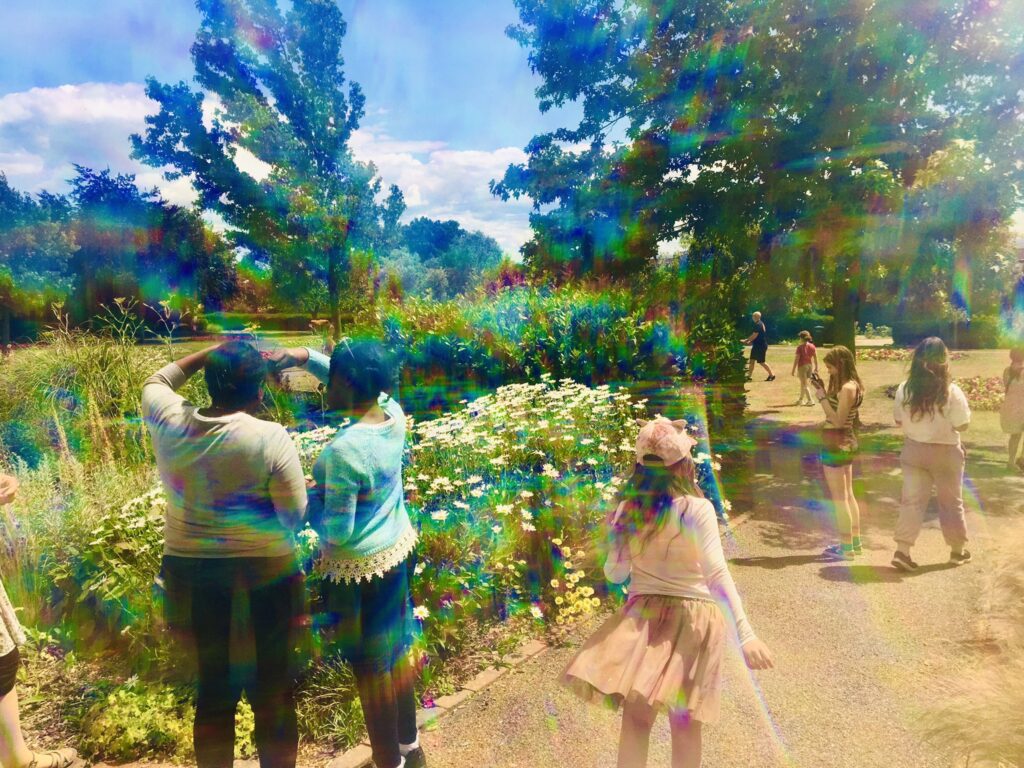
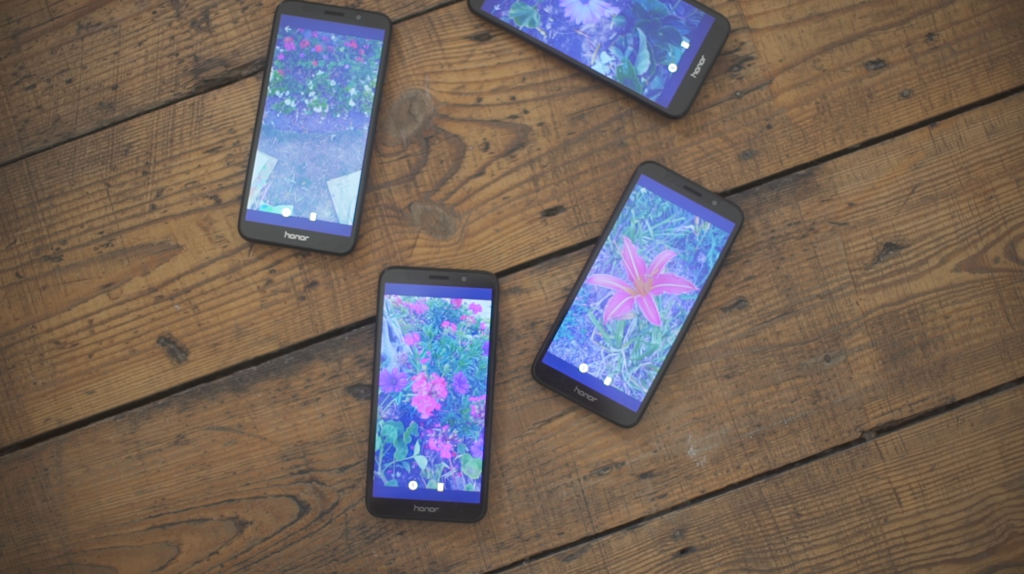
The Blue Halo is a citizen science project. By using the bespoke The BLUE HALO app you will be able to photograph the flower and log its location in the installation. You will be able to access the online digital version of The Blue Halo Flower: the app. and software facilitating the flower/photo recognition and harvest, finally inputting the data which feeds into the constantly mutating Blue Halo ‘Flower’ in the Box.
In addition to its function of ‘feeding’ the Blue Halo Flower the citizen science data collected by the community will inform the creation of a new algorithm. Artificial Intelligence will help predict the flowering patterns in years to come with obvious potential benefits for local planters and gardeners.













Coder: Karun Matharu
Fabricators: Tom Pilgrim and Douglas Hunter
The Blue Halo is a partnership project with Metal. It has been funded by Arts Council England.


The term ‘Blue Halo’ was first coined by Professor Beverely Glover, University of Cambridge